 Political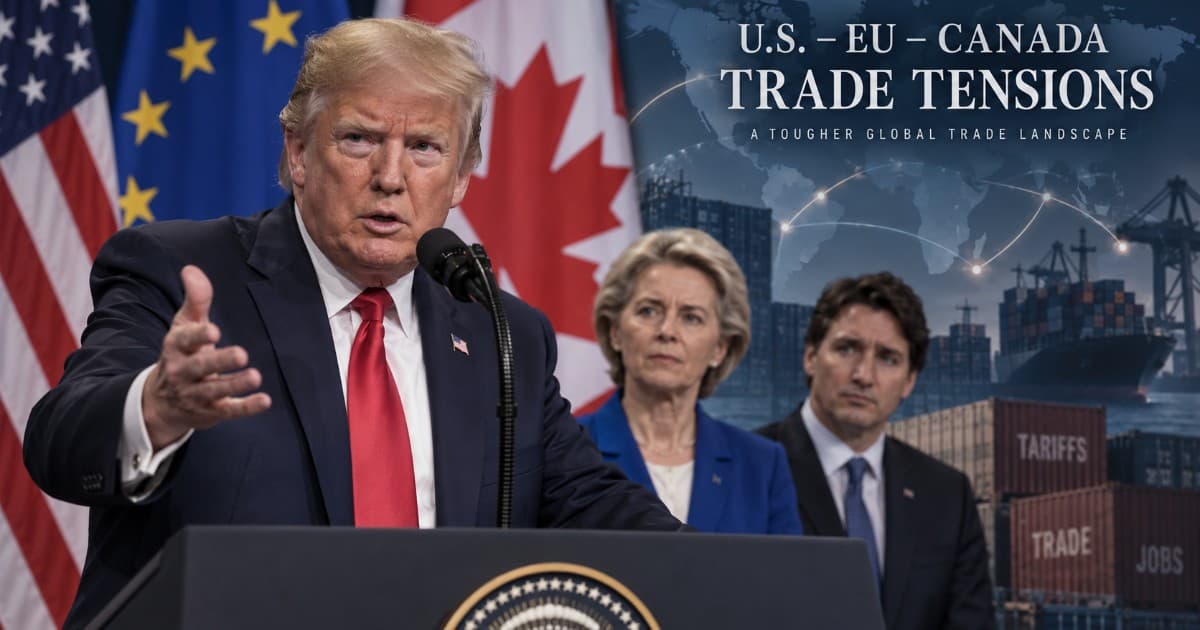
Political
Trump Warns EU Against 'Hostile' Canada Partnership Plan
By The Daily Ledger2 min read7 views
Donald Trump has threatened the European Union over plans to strengthen ties with Canada, calling the arrangement hostile to American interests amid escalating…
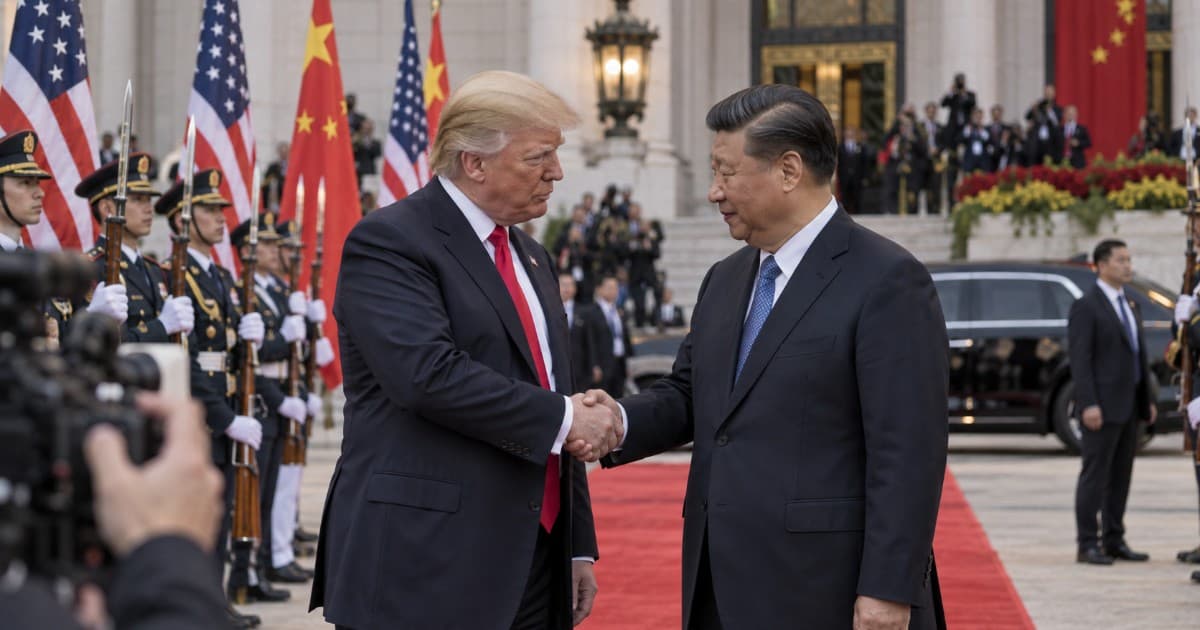
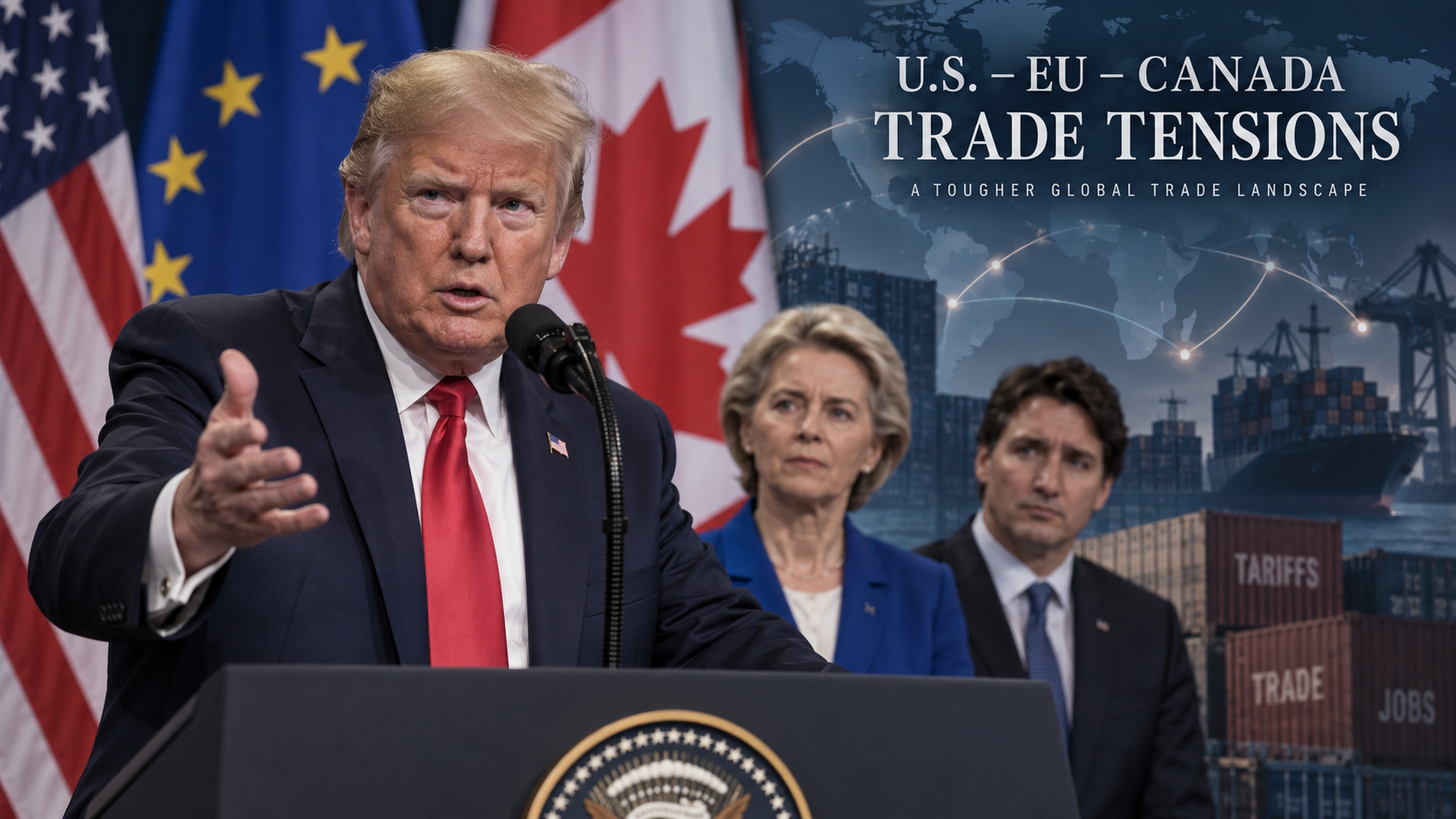
Donald Trump has leveled a threat at the European Union over its plans to strengthen association with Canada, describing the arrangement as hostile to American interests.
The former president's warning comes amid an era of heightened trade tensions and reflects his administration's approach to international economic relationships. Trump has made clear his preference for bilateral trade arrangements that he views as favorable to the United States, and has expressed skepticism of multilateral or regional partnerships that might reduce American leverage.
The nature of the EU-Canada association and its specific implications for U.S. trade remain subjects of clarification. Such arrangements typically involve closer coordination on trade, regulatory standards, or economic cooperation. From Trump's perspective, any strengthening of ties between the EU and Canada raises concerns about the formation of economic blocs that could disadvantage American exporters or influence North American trade dynamics.
Trump's threat reflects his longstanding use of tariff and trade restrictions as negotiating tools. His approach has consistently emphasized bilateral deals and skepticism of what he characterizes as unfavorable trade relationships, viewing such pressures as necessary to achieve more favorable terms for American businesses and workers.
The statement also occurs within a broader pattern of tension in transatlantic relations, where trade policy disagreements have persisted. The U.S. and EU have experienced disputes over tariffs, industrial subsidies, and trade rules in recent years, though formal negotiations and agreements have at times produced resolutions.
For Canadian officials and EU leaders, the threat likely requires consideration of potential trade actions or economic measures the Trump administration might pursue in response to a closer association. Such disputes often lead to extended negotiations or attempts to find compromise positions that satisfy all parties while avoiding broader economic disruption.
The situation underscores how international trade relationships remain deeply intertwined with diplomatic tensions and shifting U.S. policy priorities. How the EU and Canada respond to Trump's warning, and whether formal negotiations or de-escalation efforts emerge, will shape the trajectory of these relationships in coming months.
Comments (0)
No comments yet. Be the first to share your thoughts.
Leave a comment
Comments are reviewed before they appear.