 Political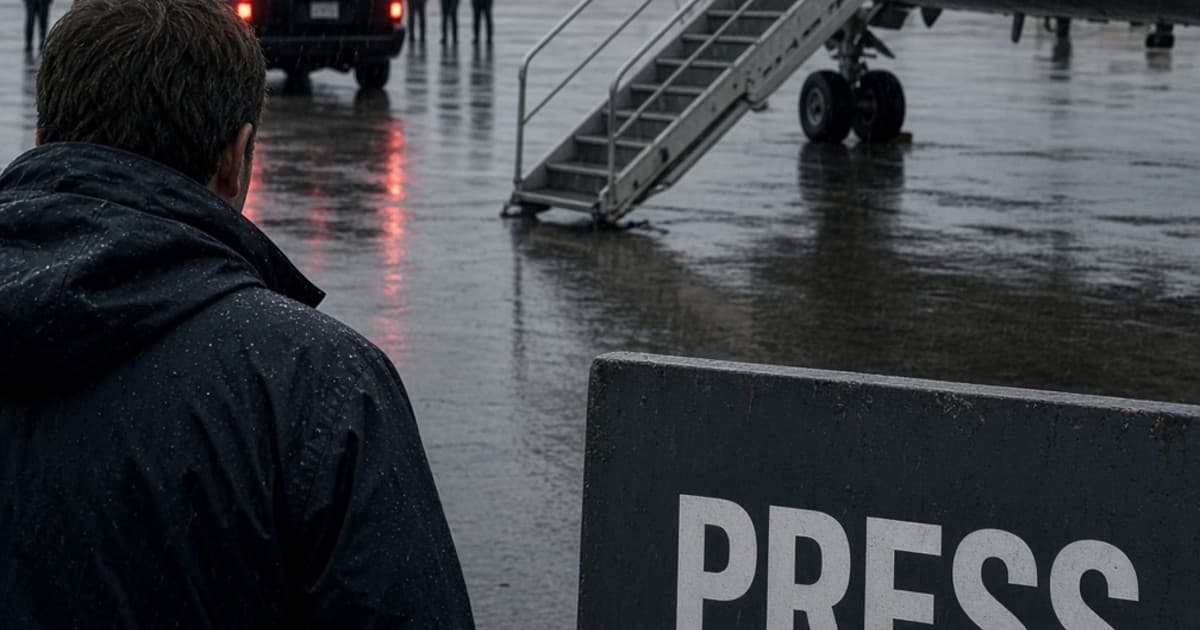
Political
White House Denies CNN Access to Air Force One Trip Despite Court Order on Credentials
By The Daily Ledger2 min read1 views
The White House excluded CNN from covering a presidential Air Force One flight a day after a federal judge ordered the network's press credentials be restored,…
The White House excluded CNN from covering a presidential trip aboard Air Force One, marking an escalation in the administration's relationship with the news organization and occurring less than a day after a federal judge intervened in an ongoing credentials dispute.
The exclusion came shortly after a judicial order directed the restoration of CNN's press credentials, which had been revoked in a previous incident. The timing of the Air Force One denial—following the judge's ruling rather than preceding it—underscores the administration's approach to press access and raised questions about the scope of executive authority over media credentialing.
Press access to presidential travel has long been a standard practice in American political coverage, with major news organizations typically assigned seats on Air Force One or in the traveling press pool. The ability to cover the president's movements and statements during official travel is considered an essential function of political journalism.
The broader dispute touches on constitutional questions about press freedom and government authority. While presidents have traditionally wielded significant control over logistics and security for presidential travel, courts have occasionally intervened when access restrictions appeared to target specific outlets based on editorial content or political orientation. Such cases remain relatively rare and fact-specific, with outcomes depending on the particular circumstances and legal arguments presented.
The exclusion from Air Force One was distinct from general credentialing issues, as presidential travel pools operate under their own protocols and space limitations. However, the pattern of access denials—occurring across multiple contexts and in close succession—suggested a broader strategy regarding which outlets would receive coverage opportunities.
CNN's response and any further legal action remained to be seen. The incident placed pressure on broader questions about how future administrations would handle press access and whether judicial precedent would constrain such decisions. The case also illustrated the tension between executive control of government operations and constitutional protections for press freedom in a political environment marked by intensified criticism of mainstream media from official sources.
Comments (0)
No comments yet. Be the first to share your thoughts.
Leave a comment
Comments are reviewed before they appear.