 Breaking News
Breaking News
Viral Secret Service Agent Quote About Trump Lacks Clear Attribution
By The Daily Ledger1 min read2 views
A widely shared claim attributes critical remarks to a Secret Service agent, but fact-checkers struggle to confirm the statement's origin or authenticity.
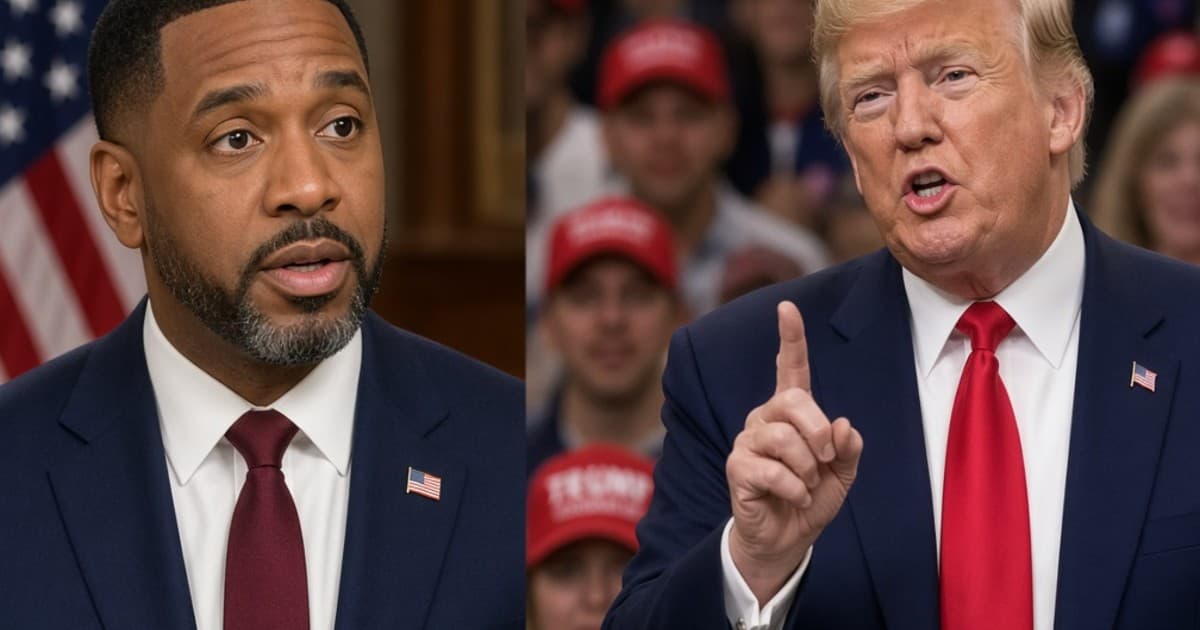
A statement purportedly made by a US Secret Service agent has circulated widely on social media in recent months, with users sharing a quote suggesting the agent's experience protecting a political figure had negative personal consequences. The claim has drawn attention from fact-checkers and journalists seeking to verify its authenticity.
Attempts to trace the statement's origin have proved difficult. The quote lacks a clear initial source, and no identified Secret Service agent has publicly made such remarks. Social media posts sharing the claim typically do not include citations or evidence of where the statement originated, a common challenge when evaluating viral attribution.
Secret Service personnel operate under strict protocols regarding public statements. Agents are generally not identified by name in official duties, and their communications are subject to federal restrictions. This secrecy, while necessary for security purposes, also makes it difficult for the public to verify claims attributed to unnamed agents.
Fact-checking organizations have examined the claim as part of broader efforts to assess viral political statements. The lack of verifiable sourcing has made definitive conclusions elusive, though the absence of evidence supporting the quote's authenticity is notable. No major news outlet has reported an interview with or confirmation from the agent in question.
The spread of unattributed statements represents a broader challenge in the digital age, where claims can circulate rapidly across platforms regardless of verification status. Without a clear source, confirmation from official channels, or corroboration from credible journalism, distinguishing between accurate accounts and fabricated or misattributed quotes remains complicated for audiences and fact-checkers alike.
As of now, the statement remains unverified, with no documented evidence confirming it was made by an actual Secret Service agent assigned to protect any political figure.
Comments (0)
No comments yet. Be the first to share your thoughts.
Leave a comment
Comments are reviewed before they appear.