 Breaking News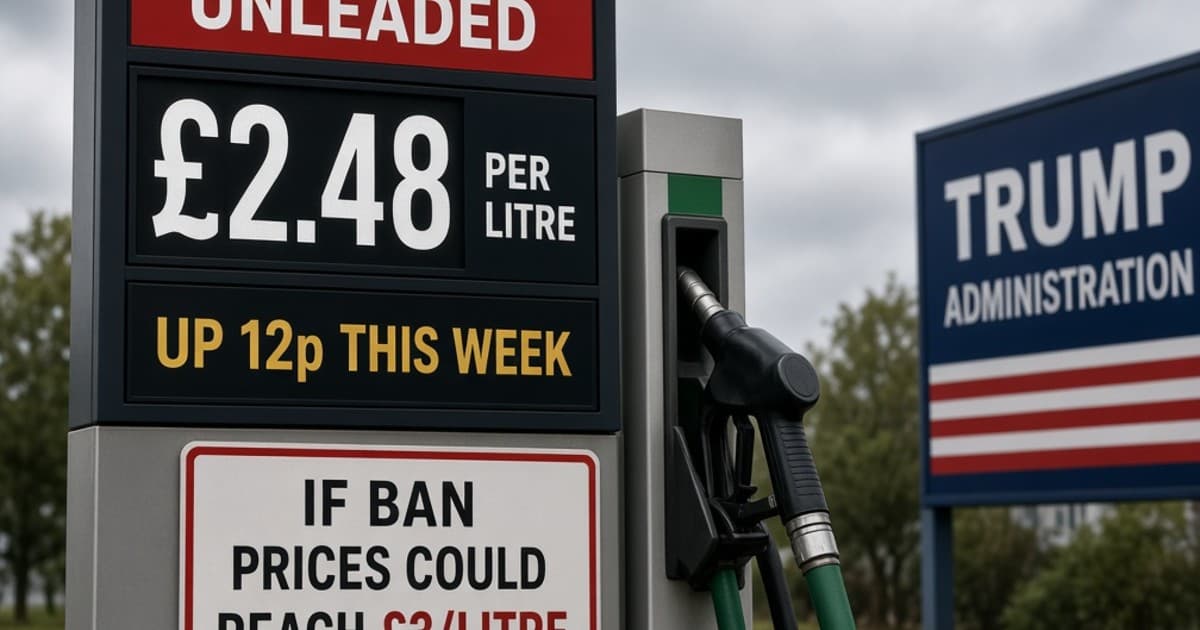
Breaking News
US diesel export restrictions could push UK pump prices toward £3 a litre, experts warn
By The Daily Ledger2 min read2 views
Energy analysts say a US diesel export ban under Trump could push UK fuel prices to record levels, affecting drivers and businesses across the country.
Energy analysts have warned that a US export ban on diesel could force British fuel prices to unprecedented levels, potentially reaching £3 per litre or higher at UK petrol pumps.
The caution reflects concerns about how trade policy shifts under a potential Trump administration might disrupt global energy markets. The United States is a major exporter of refined petroleum products, including diesel, and restrictions on those exports would tighten global supply and likely increase costs for importing nations including the UK.
Diesel prices in Britain have historically been volatile, influenced by crude oil costs, refinery capacity, and international supply dynamics. A significant reduction in available US exports would remove a key source from global markets, putting upward pressure on prices worldwide. For the UK, which imports a substantial share of its refined fuel, the impact could be severe.
The prospect carries particular weight for sectors heavily reliant on diesel. Transport and logistics operators, whose business models depend on fuel efficiency and predictable costs, could face substantial pressure on margins. Heating oil prices, which track diesel futures, might also rise, affecting households and businesses in regions reliant on oil-fired heating systems.
The UK government and energy industry have long emphasised the importance of diversified fuel supplies and resilient energy security. An export ban scenario would test those frameworks, potentially requiring draws on strategic petroleum reserves or rapid negotiation of alternative supply arrangements with other oil-producing and refining nations.
Whether such restrictions would materialise depends on decisions not yet made and potential political negotiations. Export bans are a blunt instrument that can invite retaliatory trade measures and complicate relationships with trading partners. However, energy protectionism has precedent in trade policy debates, and analysts see the risk as credible enough to warrant serious discussion.
The warning underscores a broader reality: UK energy consumers remain exposed to decisions made thousands of miles away in global commodity markets and in the capitals of major exporting nations. Even the prospect of policy shifts can trigger analysis and concern among industry watchers and policymakers preparing contingency plans.


Comments (0)
No comments yet. Be the first to share your thoughts.
Leave a comment
Comments are reviewed before they appear.