 Breaking News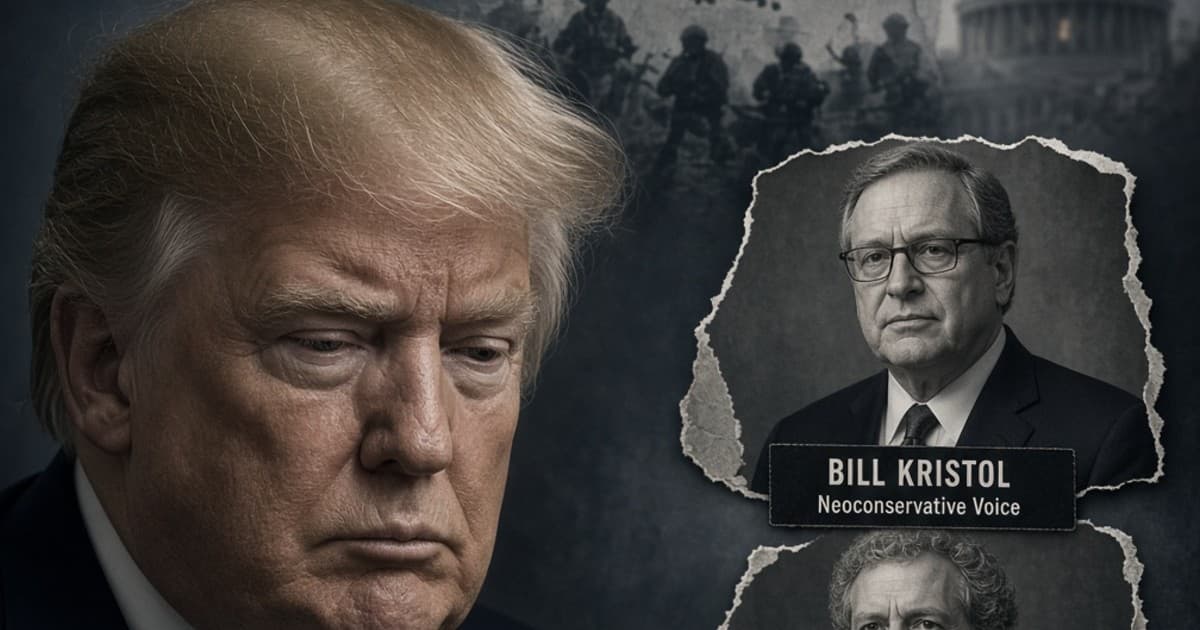
Breaking News
Trump Videos Draw Scrutiny Over Neoconservative Appeal
By The Daily Ledger2 min read1 views
Donald Trump's recent promotional content has sparked debate among Republicans about whether his messaging signals a shift toward establishment foreign policy…
Donald Trump's campaign has faced renewed scrutiny over promotional content that critics say appeals to neoconservative foreign policy circles, reigniting long-standing tensions within Republican ranks over the direction of U.S. interventionism.
Trump built a significant portion of his political brand on opposition to what he characterized as costly military adventures abroad. His 2016 campaign prominently featured criticism of the Iraq War, nation-building efforts, and what he called endless foreign interventions. That messaging resonated with voters skeptical of the post-9/11 consensus among establishment Republicans and shaped his image as a departure from traditional GOP foreign policy orthodoxy.
In recent weeks, attention has turned to videos and promotional material released by Trump's team. The content has prompted debate among conservatives about its intended audience and underlying message. Some observers contend the material, through its imagery, tone, or framing, appears designed to appeal to figures associated with neoconservative foreign policy schools—precisely the establishment voices Trump had positioned himself against.
This apparent contradiction has exposed fault lines within the Republican coalition. Trump's base includes voters who supported him partly because of his skepticism toward military intervention and his stated preference for addressing domestic concerns first. Simultaneously, Trump has at times needed broader Republican support, including from figures who maintain more hawkish views on foreign policy.
The question of Trump's true foreign policy orientation—whether his anti-interventionist messaging reflects core conviction or political positioning—remains contested. His actual record in office included elements of both restraint and aggressive posturing, particularly regarding Iran and China.
Republican strategists and commentators remain divided on whether outreach to establishment conservatives, including those with neoconservative credentials, strengthens or weakens Trump's electoral position. Some argue it demonstrates pragmatism and party unity. Others contend it betrays the core grievances that drove his rise.
The controversy underscores broader questions facing the GOP: what foreign policy direction the party will pursue, whether consensus on interventionism has genuinely shifted, and how Trump will balance competing factions within his coalition.
Comments (0)
No comments yet. Be the first to share your thoughts.
Leave a comment
Comments are reviewed before they appear.