 Breaking News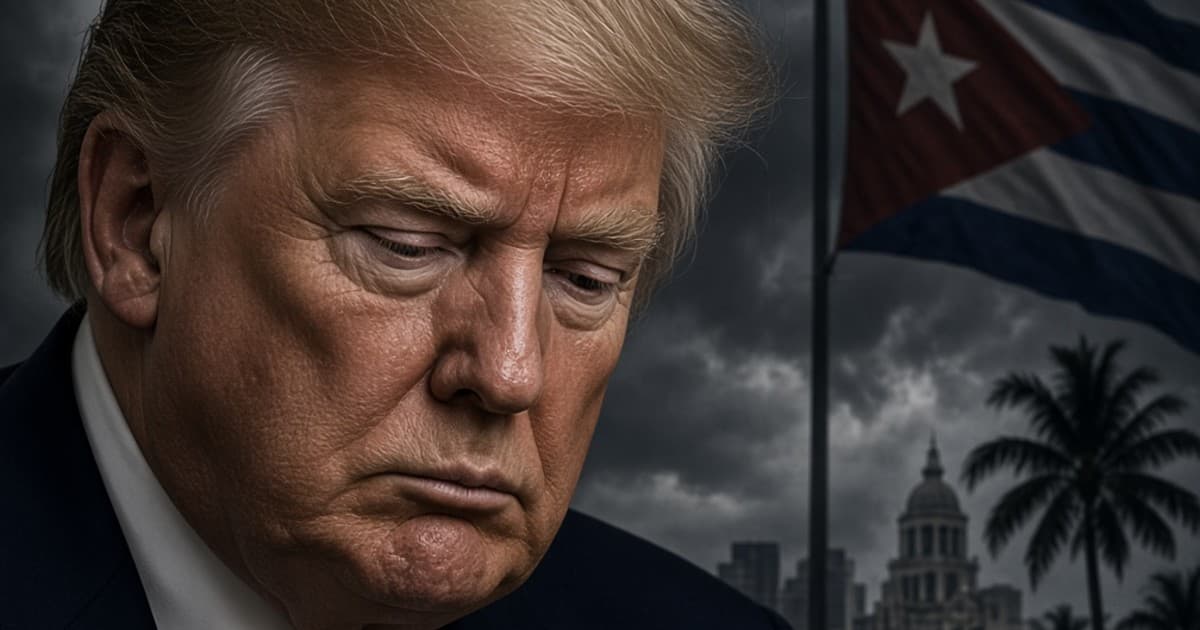
Breaking News
Trump Signals Openness to US-Cuba Negotiations, Rules Out Military Intervention
By The Daily Ledger2 min read1 views
Trump suggests a negotiated agreement with Cuba is feasible while indicating military action is unlikely to be part of his approach.
Former President Donald Trump has suggested that diplomatic resolution with Cuba is achievable while expressing skepticism about military intervention in the region.
The remarks touch on a long-standing point of tension in American foreign policy. Relations between Washington and Havana have been defined by economic sanctions and limited diplomatic engagement for much of the past six decades. Various administrations have pursued different strategies, from strict isolation to cautious engagement, reflecting the competing interests of Cold War history, domestic political constituencies, and shifting strategic priorities.
Trump's indication that military action is unlikely represents a rhetorical positioning around how the United States might address outstanding disputes. The characterization contrasts negotiations-first thinking with more confrontational approaches that have at times been discussed or pursued by policymakers concerned about Cuban governance or regional security.
The statement arrives amid broader conversations about Trump's foreign policy approach, which has historically favored direct negotiation and unpredictability over conventional diplomatic channels. How such engagement might unfold—and what concessions or agreements might be involved—remains unclear from his comments alone.
Cuba itself maintains close relationships with other nations, including Russia and China, complicating the dynamics of any bilateral arrangement. Additionally, Cuban-American communities in the United States hold diverse views on normalization, ranging from those favoring engagement to those opposing any reduction in pressure on the island nation.
Whether Trump's suggestion signals a genuine shift in policy direction or represents preliminary positioning remains to be determined. Any substantial agreement would likely require negotiation over multiple issues, including sanctions policy, trade relations, and security concerns, alongside coordination with Congress and consideration of regional partners' interests.
The extent to which such talks would materialize and the timeline for any potential accord are not indicated in Trump's current statements. His remarks do signal, however, that diplomatic options rather than military confrontation constitute his preferred framework for the relationship going forward.
Comments (0)
No comments yet. Be the first to share your thoughts.
Leave a comment
Comments are reviewed before they appear.