 Breaking News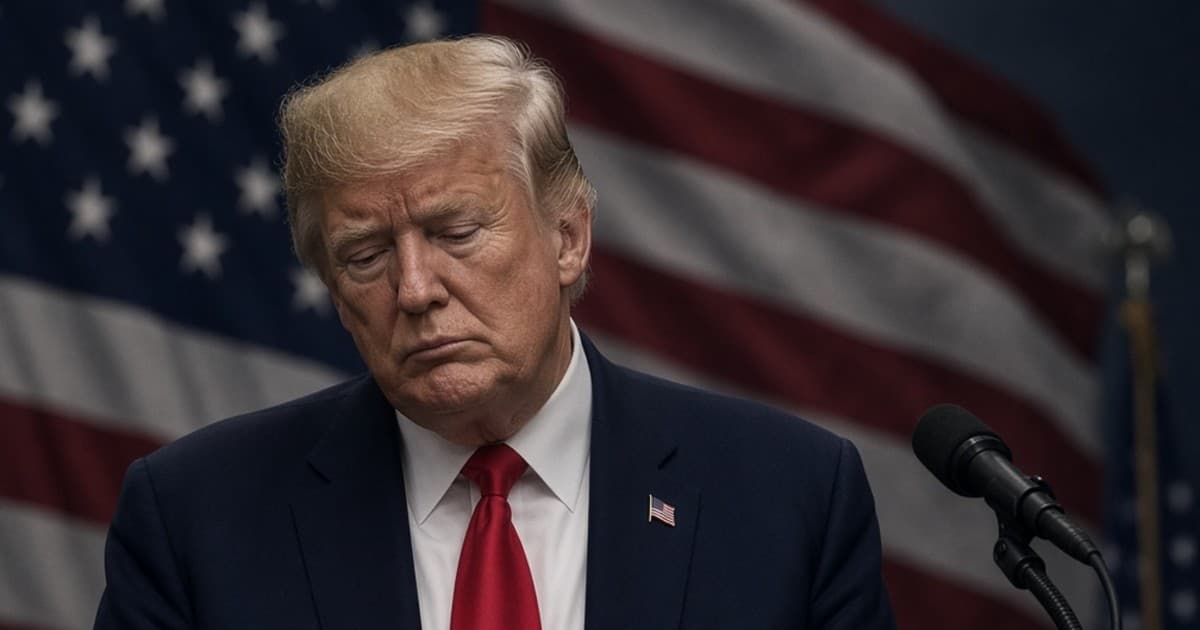
Breaking News
Trump's Midterm Strategy Focuses on Safe Republican Territory, Not Swing Races
By The Daily Ledger2 min read1 views
Former President Trump has launched his midterm campaign by holding rallies in solidly Republican states rather than competitive races where Republicans are…
Former President Donald Trump has begun his midterm campaign with a focus on solidly Republican states, a strategy that diverges from earlier suggestions that he would concentrate on competitive battleground races.
Trump's initial rally schedule has emphasized deep red states where Republican dominance is already established, rather than targeting districts where narrow margins and genuine electoral uncertainty characterize the races. This geographic pattern has prompted questions about the alignment between Trump's campaign objectives and the Republican Party's stated priority of flipping seats in swing areas.
During his public statements, Trump indicated intentions to help Republicans in genuinely competitive territories—regions where voter persuasion and turnout operations could determine outcomes. The early execution of his campaign schedule, however, has concentrated on states where Republican voters are already heavily concentrated and party infrastructure faces fewer electoral challenges.
The distinction matters strategically. In closely divided districts, a high-profile endorsement or campaign event can shift volunteer engagement, media attention, and voter turnout in meaningful ways. In areas where one party enjoys substantial structural advantages, such appearances primarily reinforce existing support among the party base.
Observers have suggested multiple possible explanations for the strategic choice. Trump may prioritize rallies in areas where his personal appeal and support remain strongest, effectively building his own political brand and organizational network. Alternatively, the approach could reflect a calculation that deep-red states require intensive grassroots mobilization to maximize Republican turnout. Some analysts have noted that concentrated appearances in safe territory generate substantial media coverage and fundraising for the former president's political operation while requiring less complex coordination than targeting multiple swing districts.
The trajectory of Trump's campaign schedule in the coming months will clarify whether this represents a deliberate strategy or an initial phase before shifting focus toward competitive races. The decision also illustrates the broader question of how Trump's political priorities intersect with institutional Republican strategy as the midterm elections approach. Candidates in close races will be watching whether the promised support in battleground territory materializes.
Comments (0)
No comments yet. Be the first to share your thoughts.
Leave a comment
Comments are reviewed before they appear.