 Breaking News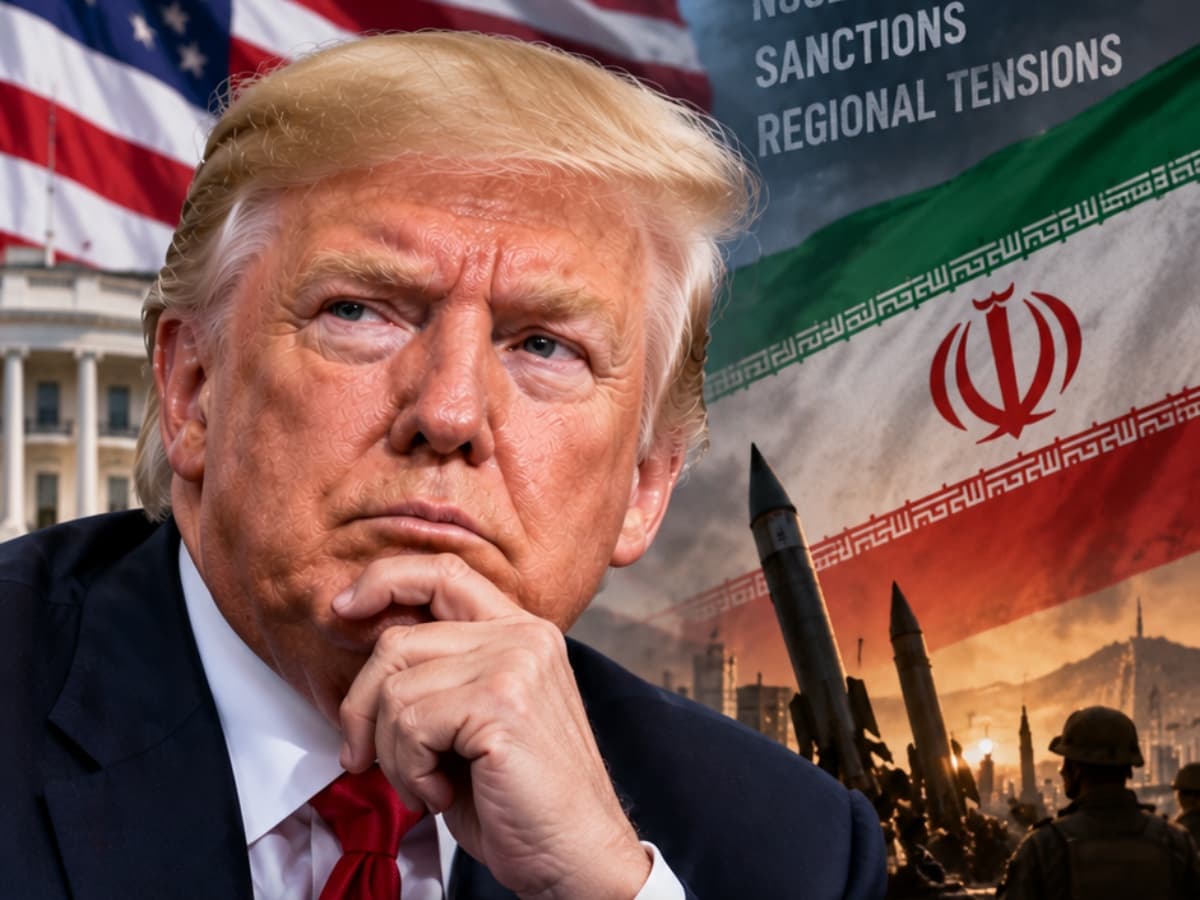
Donald Trump confronts mounting pressure as his Iran policy faces mounting complications, forcing reassessment of a confrontational approach that lacks a clear…
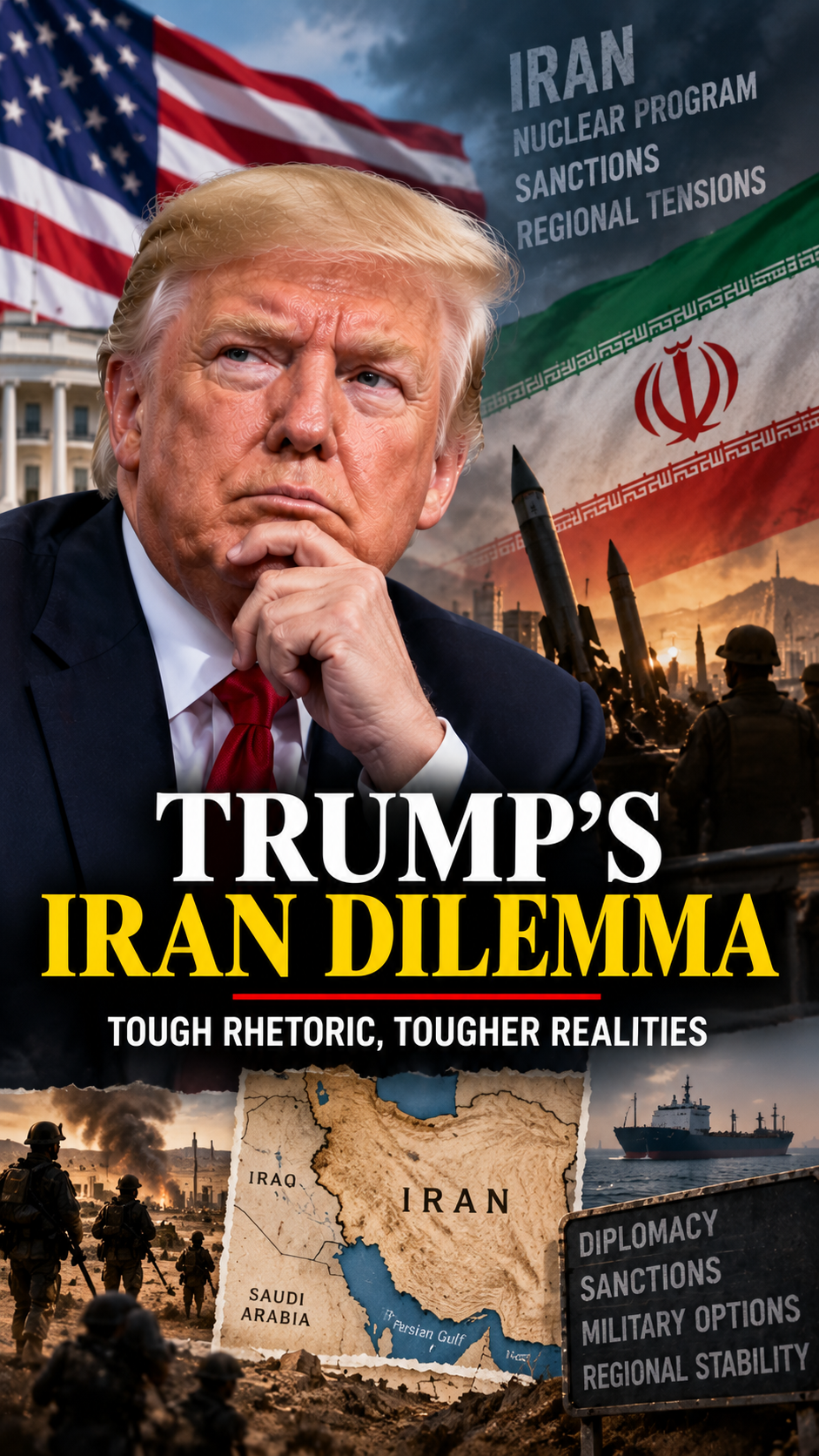
Donald Trump faces a narrowing set of options as tensions with Iran complicate efforts to deliver on foreign policy commitments while managing the practical realities of Middle Eastern statecraft.
The administration's approach to Iran has centered on demonstrating resolve through economic and military pressure, a stance that appeals to Trump's base and aligns with long-standing Republican positions. However, observers and foreign policy analysts increasingly question whether this strategy has a clear endpoint or pathway to a desired outcome.
The challenge lies partly in the gap between campaign promises and executive feasibility. Escalating military confrontation risks destabilizing the entire region, disrupting energy markets, and potentially drawing the United States into a prolonged conflict without clear objectives. Conversely, backing away from confrontational rhetoric invites criticism from those who view appeasement as weakness, complicating Trump's standing with segments of his political coalition.
Regional allies complicate the picture further. Some neighboring states support pressure on Iran as a counterbalance to regional influence, while others worry about the consequences of direct confrontation. The involvement of multiple interests—security, economic, religious, and strategic—makes any unilateral action fraught with unanticipated consequences.
Diplomatic channels have traditionally been difficult terrain on Iran policy. Past negotiations produced agreements that satisfied neither all international parties nor domestic political factions in the United States, leaving a legacy of distrust and disagreement about the terms of engagement.
The situation leaves Trump and his advisors weighing difficult tradeoffs: maintaining rhetorical toughness while finding a negotiated off-ramp; pursuing military options while calculating their strategic worth; and sustaining international coalitions despite divergent national interests. Each path carries political and practical costs that resist easy resolution.
How the administration navigates these pressures will likely shape not only Iran policy but broader perceptions of American foreign policy credibility and consistency.
#Climate


Comments (0)
No comments yet. Be the first to share your thoughts.
Leave a comment
Comments are reviewed before they appear.