 Breaking News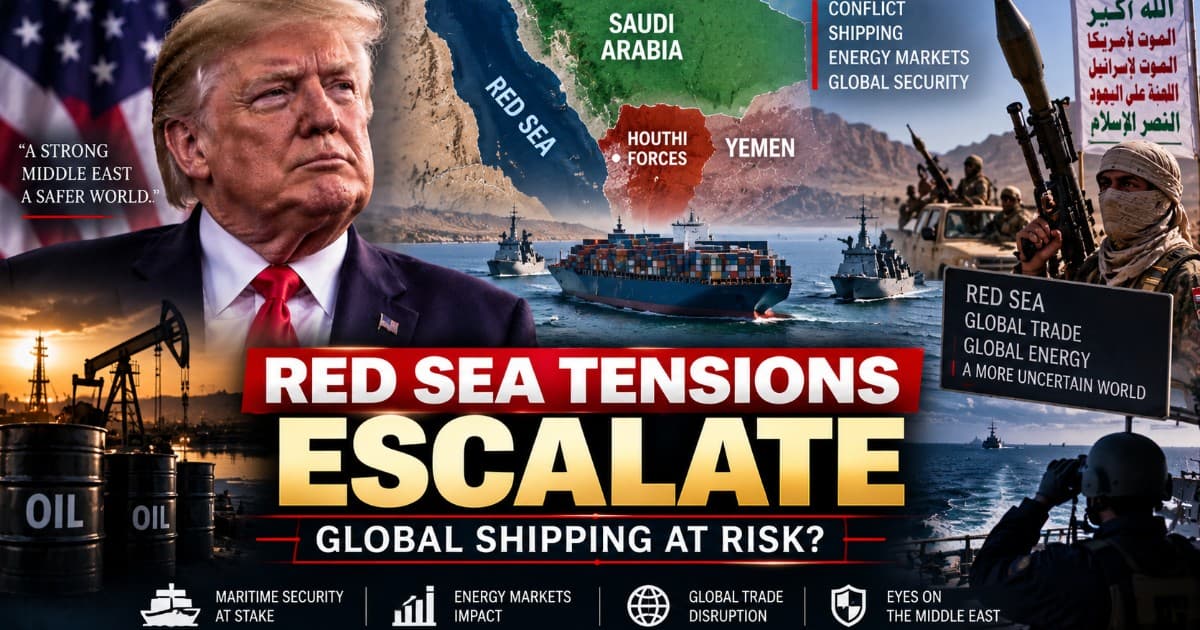
Breaking News
Saudi-Houthi Tensions Flare at Red Sea Crossroads as Shipping Faces New Risks
By The Daily Ledger2 min read2 views
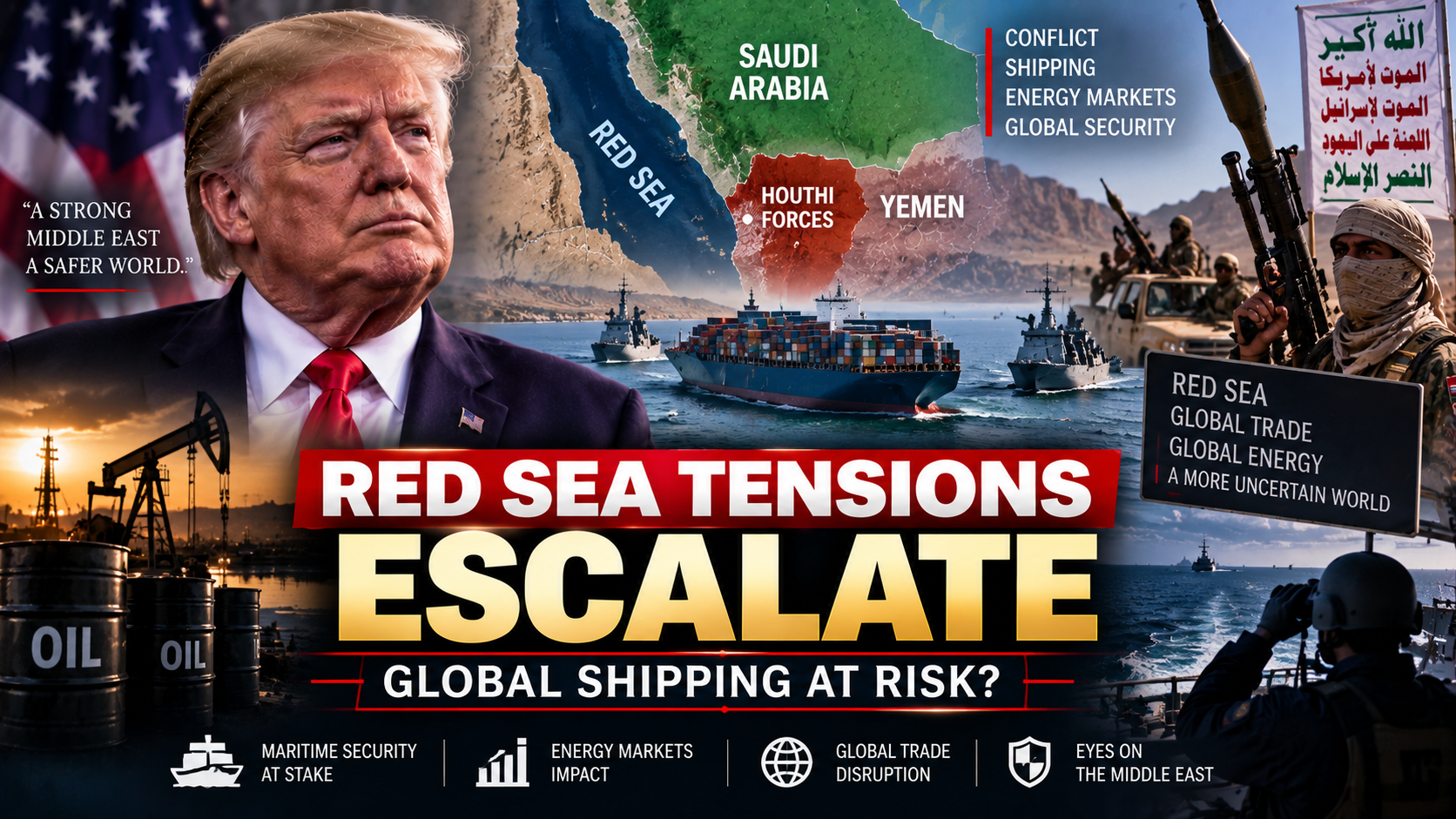
Saudi Arabia and Houthi forces escalate military operations near the Red Sea, a vital shipping corridor linking Europe to Asia and threatening global commerce.
Tensions in one of the world's most economically vital shipping corridors have escalated as Saudi Arabia and Houthi forces exchange military strikes near the Red Sea. The escalation underscores ongoing regional instability and raises concerns about the safety of commercial vessels transiting through waters critical to global trade.
The Red Sea serves as a major conduit connecting Europe, Asia, and the Middle East, facilitating the movement of oil, manufactured goods, and other commodities worth hundreds of billions of dollars annually. The Suez Canal, at the northern end of the Red Sea, remains one of the world's most important maritime passages, making any disruption to traffic a matter of international concern.
Saudi Arabia, a longtime U.S. ally and major regional power, has pursued various military and diplomatic strategies aimed at containing threats and maintaining its position in the region. The Houthis, a movement based in Yemen with reported external backing, have developed military capabilities in recent years that extend beyond their home territory.
The pattern of strikes and counterstrikes reflects deeper regional power dynamics and proxy conflicts that have characterized Middle East politics in recent years. Each side has cited different justifications for military action, framing their operations within broader narratives about security and regional influence.
The consequences of sustained conflict near the Red Sea extend far beyond the region itself. Insurance premiums for vessels navigating contested waters have risen, and shipping companies face delays and rerouting decisions that ultimately affect consumer prices and supply chain reliability. Energy markets are particularly sensitive to any perceived threat to oil shipments through the corridor.
The situation also carries implications for U.S. foreign policy in the region. Previous administrations have pursued different approaches to Middle East engagement, ranging from military intervention to diplomatic pressure to strategic partnerships. The current geopolitical climate and any potential policy shifts may influence how international actors respond to continued instability.
International responses to the Red Sea tensions have varied, with different nations emphasizing different concerns—maritime security, energy stability, humanitarian considerations, and regional power balances all factor into how global actors view the conflict.

Comments (0)
No comments yet. Be the first to share your thoughts.
Leave a comment
Comments are reviewed before they appear.