 Breaking News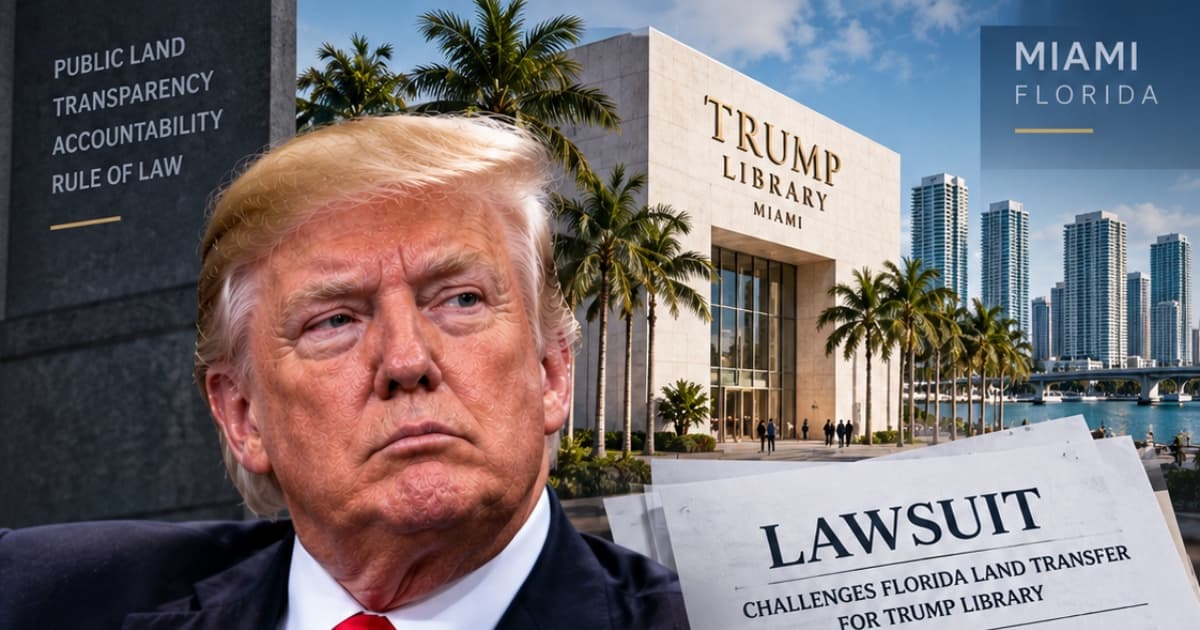
Breaking News
Lawsuit Challenges Miami Land Deal Behind Proposed Trump Library
By The Daily Ledger2 min read11 views
A lawsuit questioning a Florida land transfer earmarked for a Trump-affiliated library in Miami has entered a critical discovery phase, raising questions about…
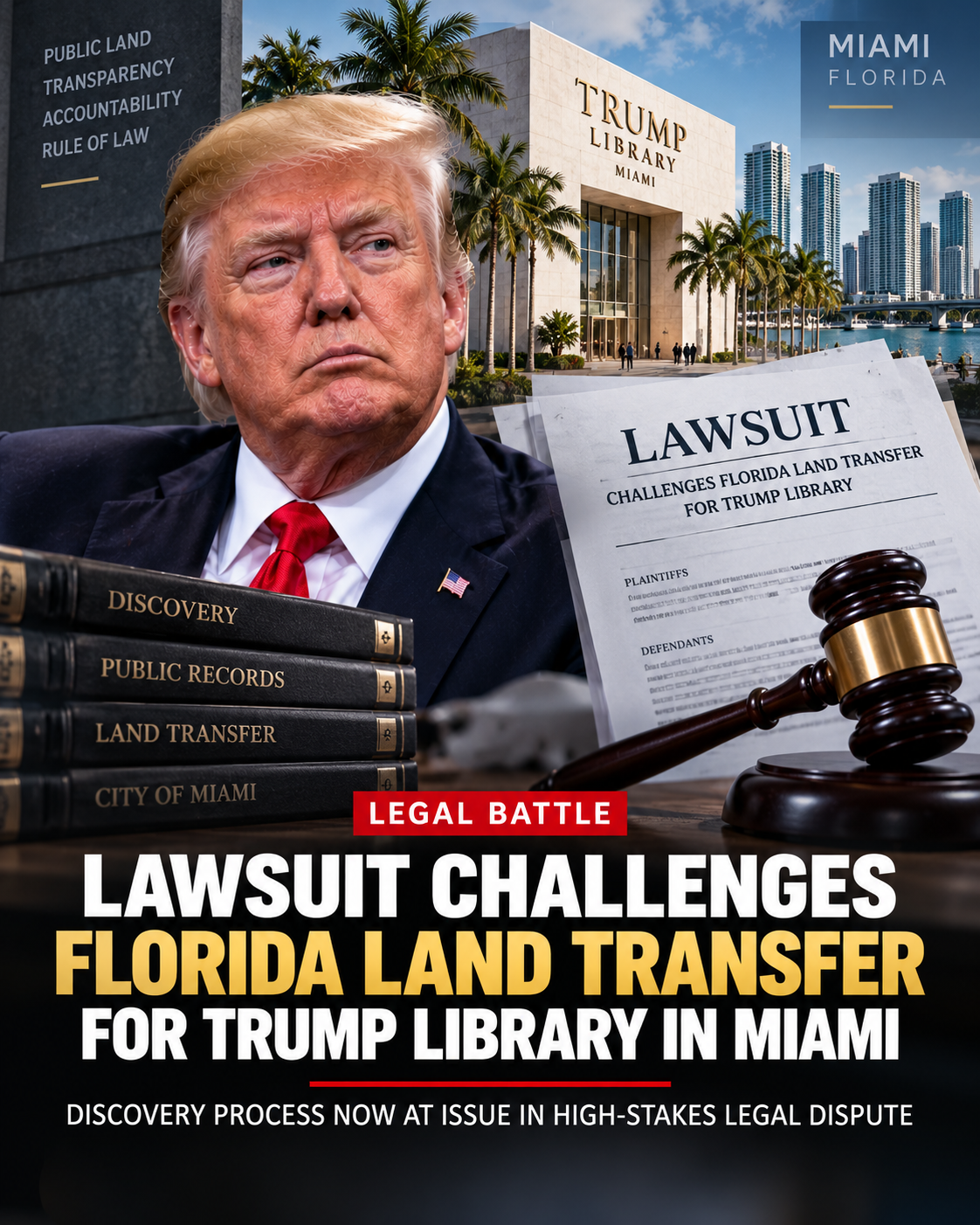
A legal challenge to a Miami land transfer intended to support a Trump-affiliated library project has advanced to the discovery phase, intensifying disputes over the property deal's legitimacy and process.
The lawsuit centers on questions about how the land in Miami was acquired and whether the transaction adhered to applicable state and local regulations governing public or quasi-public property transfers. The case has attracted attention from those concerned with government transparency and the proper use of public resources in real estate arrangements.
Discovery—the phase in which both sides request and exchange documents, communications, and other evidence—is now underway. This stage is often crucial in litigation, as the materials obtained can establish timelines, reveal decision-making processes, and support or undermine claims made by either party. Disputes over discovery requests can themselves become significant as lawyers argue over what information must be produced and whether certain materials are protected from disclosure.
The project at the center of the dispute has been described as a library or archival facility, though details about its full scope, funding structure, and organizational oversight remain subjects of public interest. Questions have been raised by legal observers and transparency advocates about whether the property deal received appropriate public notice and review before proceeding.
The outcome of the lawsuit could have multiple consequences: it may determine whether the land transfer stands as legally valid, could delay or reshape the planned project, and may set precedent for how similar arrangements involving prominent political figures are conducted in Florida. If challenged on procedural grounds, the case could turn on whether relevant government entities followed required notification, review, or approval processes.
The case reflects broader national conversations about transparency in real estate transactions involving public officials and public land, as well as questions about the appropriate use of government resources and property in such arrangements. As discovery continues, the specifics of communications between officials, discussions of valuation, and details of the transaction's structure will likely become clearer, potentially influencing the direction of the legal dispute.


Comments (0)
No comments yet. Be the first to share your thoughts.
Leave a comment
Comments are reviewed before they appear.