 Breaking News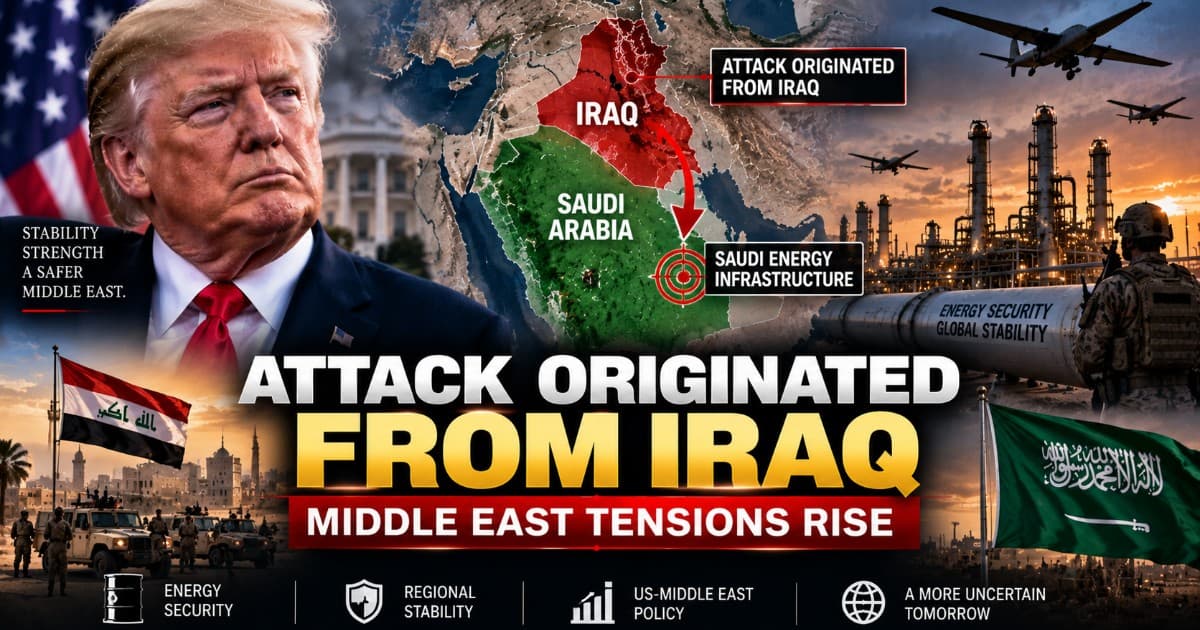
Breaking News
Iraq Acknowledges Attack on Saudi Pipeline Originated in Its Territory
By The Daily Ledger2 min read3 views
Iraq has stated that an attack on Saudi Arabian pipeline infrastructure originated from Iraqi territory, highlighting regional security tensions and raising…
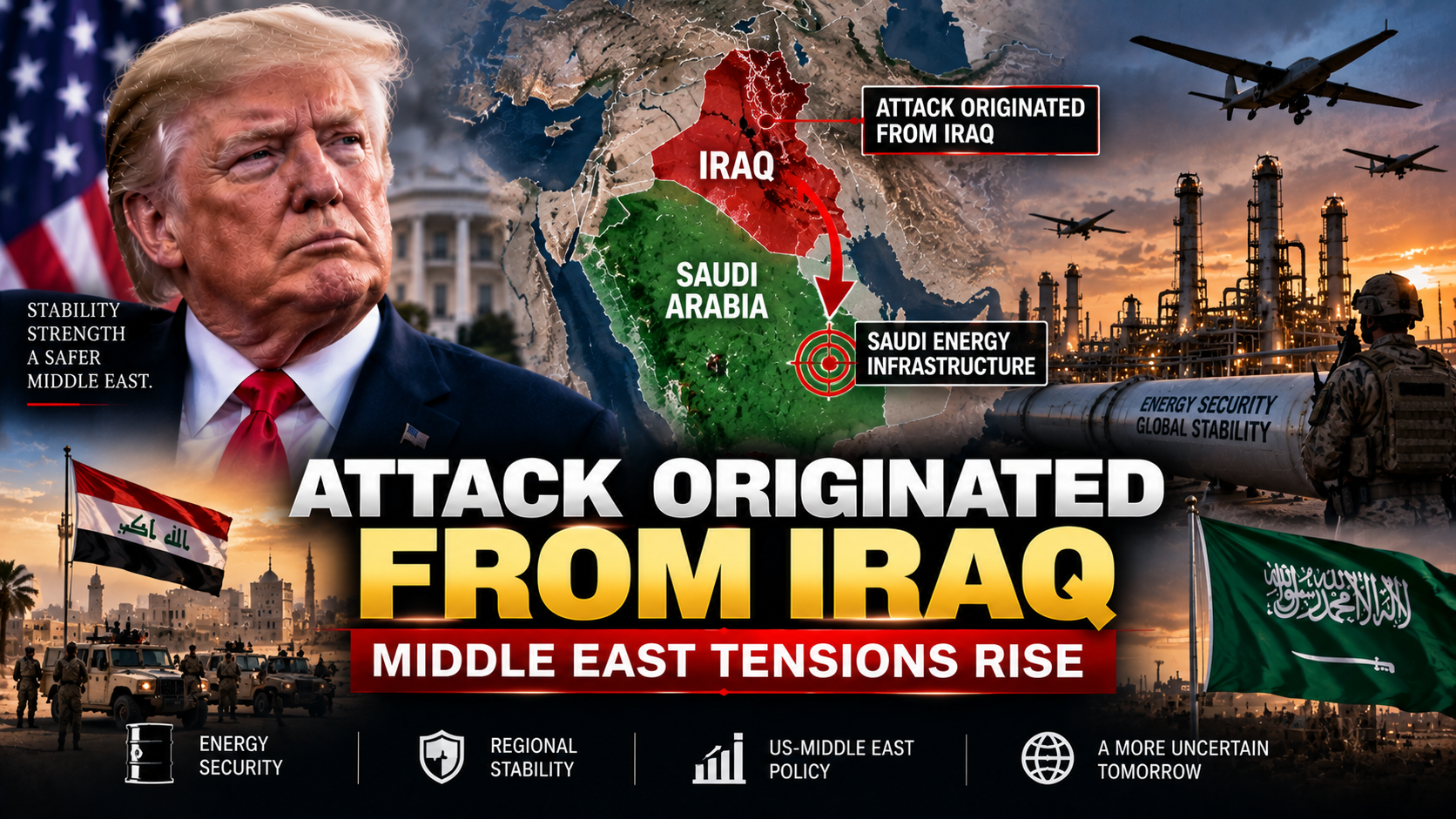
Iraq said on Monday that an attack on Saudi Arabian pipeline infrastructure originated from territory within its borders, marking an unusual acknowledgment of responsibility that underscores the Iraqi government's limited ability to control armed groups operating across its nation.
The statement from Baghdad came days after the strike on the Saudi pipeline network, which analysts and regional observers had suspected originated in Iraq. Iraqi officials did not immediately specify which armed groups conducted the attack or provide extensive operational details. The acknowledgment itself, however, signaled a shift from previous ambiguity surrounding cross-border incidents involving non-state actors based in Iraqi territory.
Iraq has long contended with dozens of militia organizations, many of which maintain close ties to Iran and operate with varying degrees of autonomy from the central government. These groups have periodically launched attacks on Saudi Arabia, Israel, and American military facilities, complicating Baghdad's efforts to project state authority and maintain diplomatic stability. Iraq's formal recognition that the pipeline attack originated from within its borders raises fresh questions about the government's actual reach into peripheral regions and its leverage over militias that operate independently.
The incident carries implications for global energy markets, given Saudi Arabia's role as a major oil producer and exporter. Disruptions to Saudi infrastructure ripple through international crude supplies and pricing. For Riyadh, the attack renews concerns about security along its borders and the threat posed by Iran-aligned groups based in Iraq.
The Trump administration has prioritized countering Iranian regional influence and maintaining stability in the Middle East. The Iraqi government's acknowledgment may complicate Washington's broader strategy, raising questions about whether existing counterterrorism partnerships and military cooperation are sufficient to prevent future attacks. American military personnel remain stationed in Iraq in an advisory and training capacity, ostensibly to combat extremist organizations and support Iraqi security forces.
Baghdad's statement also highlights the delicate position Iraq occupies between major regional powers. The country depends on security cooperation with the United States while facing pressure from Iran-aligned militias and seeking to maintain diplomatic relations with Saudi Arabia. How Iraqi officials manage these competing interests in the wake of the pipeline attack may shape regional dynamics for months to come.
Saudi Arabia has not yet publicly detailed its intended response to the attack or Iraq's acknowledgment. Previous incidents have sparked diplomatic tensions and, in some cases, military retaliation. The coming days will likely reveal whether this situation triggers further escalation or opens a diplomatic channel between Baghdad and Riyadh.


Comments (0)
No comments yet. Be the first to share your thoughts.
Leave a comment
Comments are reviewed before they appear.