 Breaking News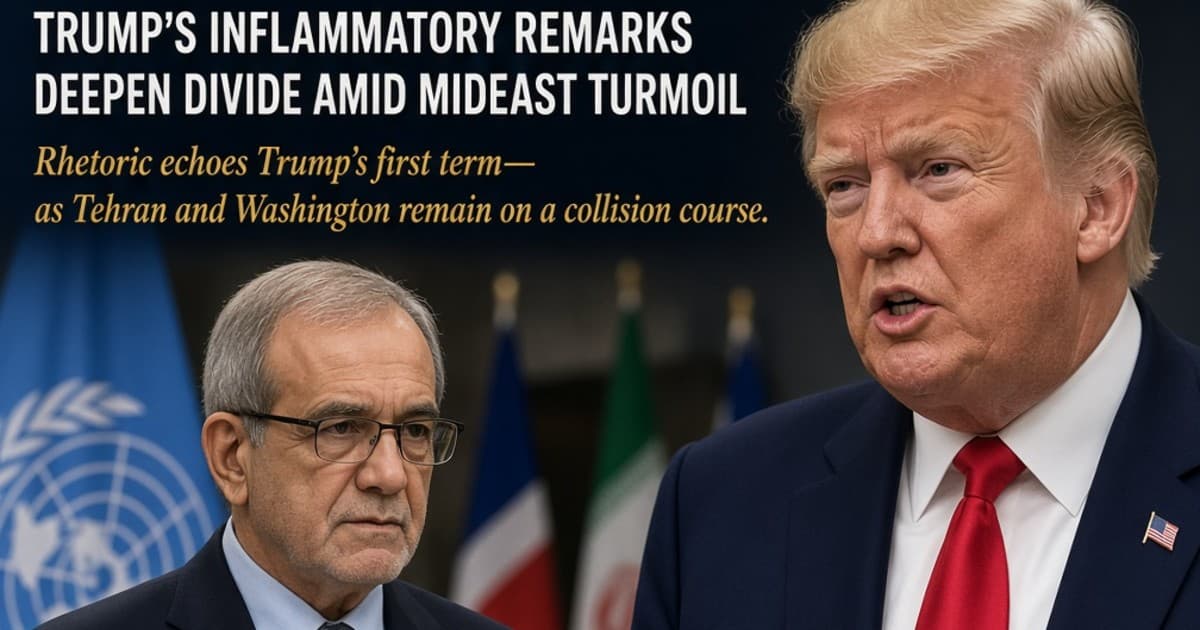
Breaking News
Iranian President Addresses UN as Trump Escalates Rhetoric Against Tehran
By The Daily Ledger2 min read3 views
Iranian President Masoud Pezeshkian arrived in New York for the United Nations General Assembly as Donald Trump intensified rhetoric against the Islamic…
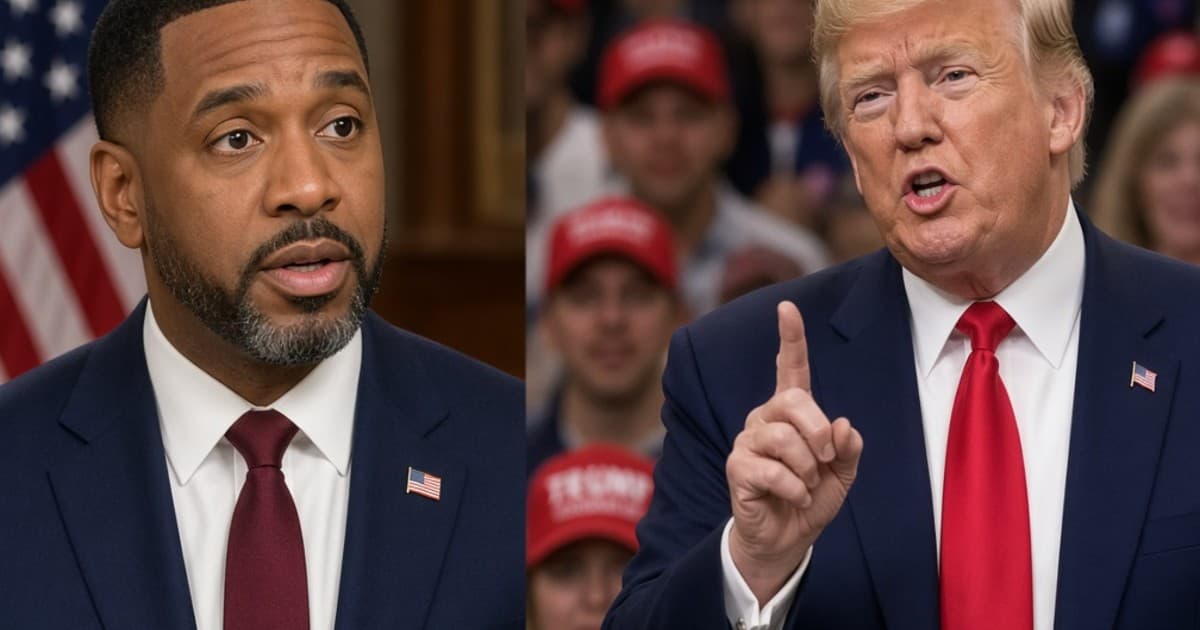
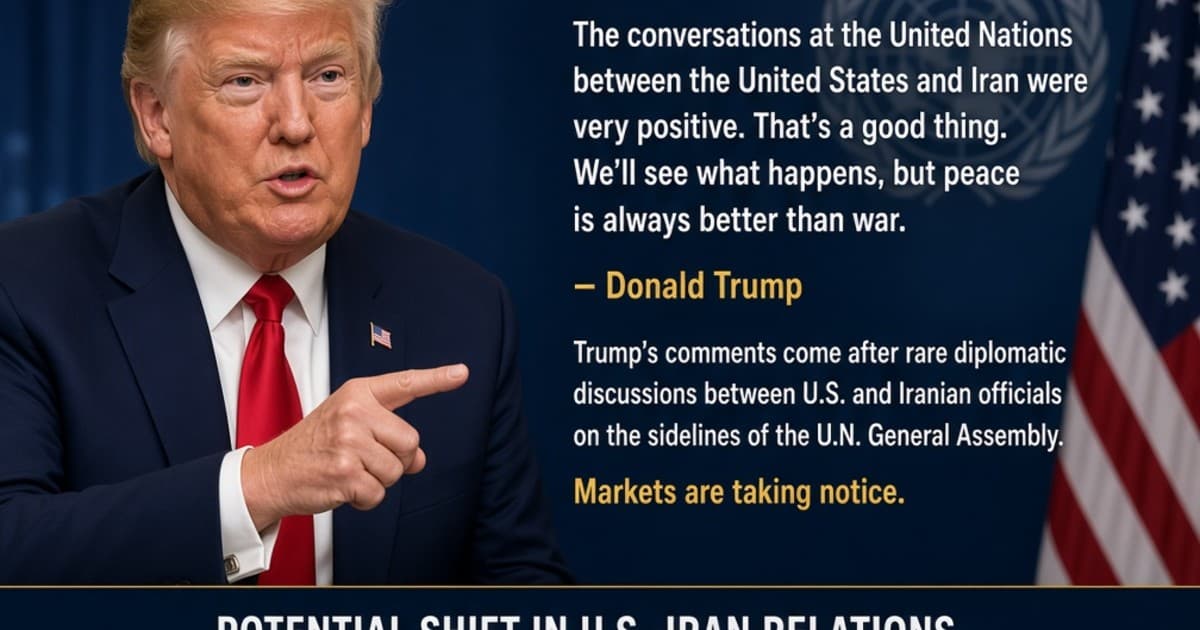
Iranian President Masoud Pezeshkian arrived in New York this week to participate in the annual United Nations General Assembly meeting, an event that traditionally brings world leaders together for diplomatic engagement and policy speeches. His attendance comes as former U.S. President Donald Trump issued sharp rhetoric characterizing Iran in the starkest possible terms, intensifying already fraught relations between Washington and Tehran.
The presence of Iran's top diplomat at the global forum provides a platform for the Islamic Republic to address an international audience at a moment of heightened tensions with the United States. Pezeshkian's UNGA speech offers an opportunity to present Iran's position on key issues, from regional conflicts to its own security concerns, directly to the world's assembled delegations.
Trump's recent statements represent a continuation of the hardline posture he adopted during his previous term as president. That period saw dramatic policy shifts regarding Iran, including the U.S. withdrawal from the multilateral nuclear agreement and the reimposition of severe economic sanctions. The language and tone Trump has employed underscore the deep ideological divide between the two nations and the contested approach to managing bilateral relations within American politics.
Iran's participation in the General Assembly reflects a long-standing commitment to international forums, even during periods of extreme tension with individual nations. The UNGA provides a venue where Iran can attempt to build coalitions, address criticisms, and articulate its perspective on global affairs to a broad audience beyond the United States.
The convergence of these events—Pezeshkian's presence in New York and Trump's inflammatory rhetoric—highlights the degree to which U.S.-Iran relations remain a central fault line in international affairs. The situation underscores ongoing questions about the feasibility of diplomatic engagement versus confrontation, the role of economic pressure as a foreign policy tool, and the sustainability of the current approach to managing one of the world's most significant bilateral antagonisms. The coming days may reveal how each side uses available platforms to advance its interests and communicate its intentions to global audiences.
Comments (0)
No comments yet. Be the first to share your thoughts.
Leave a comment
Comments are reviewed before they appear.