 Breaking News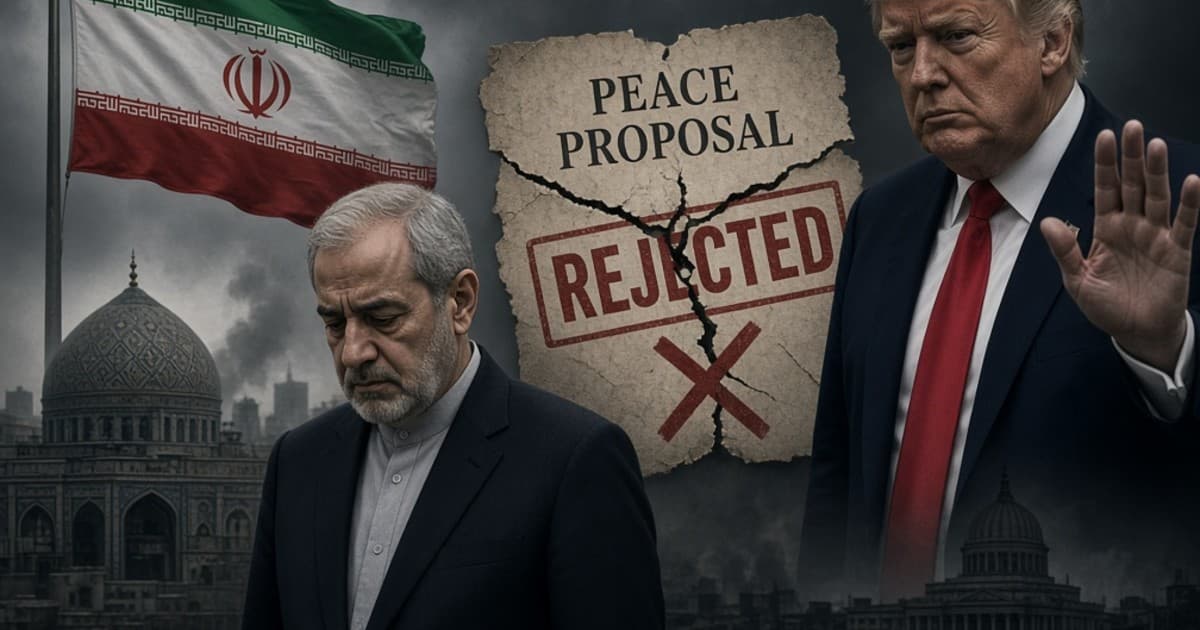
Breaking News
Iran Reaffirms Diplomatic Stance After Trump Rejects Peace Initiative
By The Daily Ledger1 min read1 views
Iran has doubled down on its commitment to diplomatic resolution after the Trump administration rejected a peace proposal, signaling continued tension in…
Iran's government indicated this week that it remains committed to pursuing a diplomatic resolution with the United States, days after the Trump administration rejected what Iranian officials described as a peace proposal.
Iranian officials stated that their country continues to view negotiation as the appropriate path forward, despite the setback. The assertion comes amid a period of elevated U.S.-Iran tensions and reflects Iran's longstanding position that dialogue, rather than military escalation, offers the most viable route to resolving disputes.
The Trump administration's rejection of the proposal marks another point of contention in the historically adversarial relationship between Washington and Tehran. The decision aligns with the administration's broader stance toward Iran, which has emphasized hardline policies aimed at constraining Iranian regional influence and nuclear ambitions.
Diplomatic efforts between the two nations have faced repeated obstacles in recent years. The 2015 international nuclear agreement represented a major diplomatic achievement, though the U.S. withdrew from the accord in 2018. That withdrawal triggered a series of escalations, including economic sanctions and military posturing, creating a cycle of tension that has proven difficult to break.
Iran's reaffirmation of its diplomatic preference suggests the country may be seeking to maintain at least rhetorical openness to engagement, even as practical negotiations appear stalled. The statement could be directed at both the Trump administration and the international community, positioning Iran as a reasonable actor willing to talk while holding the U.S. responsible for diplomatic gridlock.
The rejection of Iran's proposal raises questions about what terms each side might accept and whether there exists any viable framework for renewed negotiations. Middle East observers have noted that successful diplomacy would require both parties to move beyond previous positions and identify areas of mutual interest or compromise.

Comments (0)
No comments yet. Be the first to share your thoughts.
Leave a comment
Comments are reviewed before they appear.