 Breaking News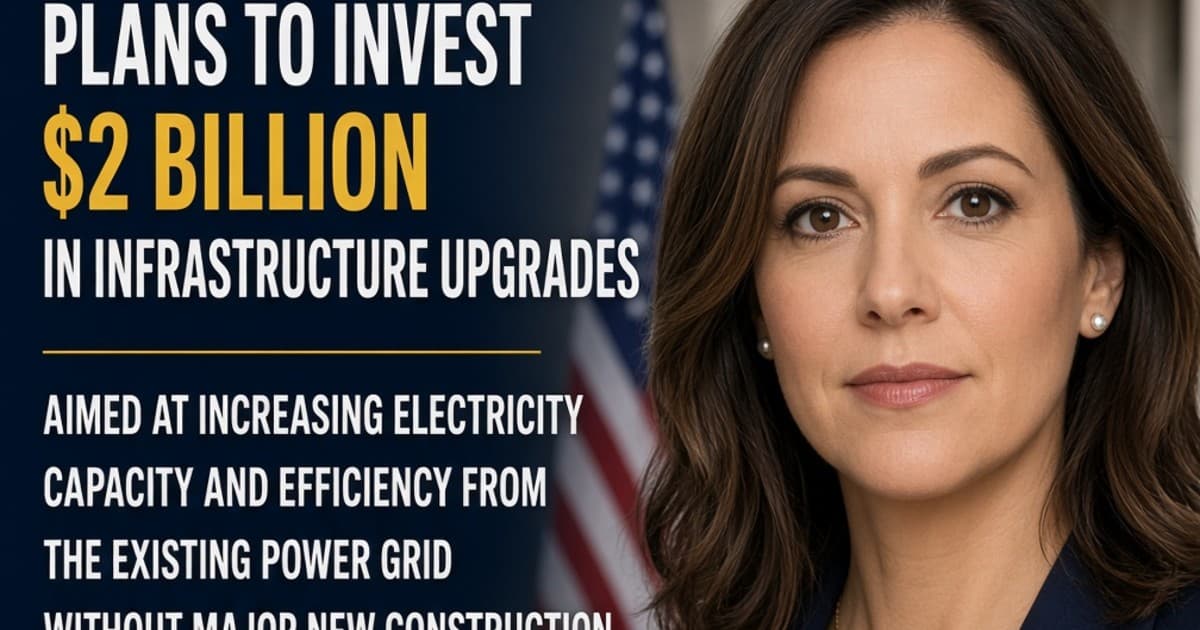
Breaking News
Energy Department Targets $2 Billion Upgrade to Boost Aging Power Grid Capacity
By The Daily Ledger2 min read1 views
The Department of Energy will allocate $2 billion toward infrastructure improvements designed to extract greater electricity output from the nation's aging…
The Department of Energy announced plans to invest $2 billion in upgrades designed to maximize the productive capacity of the nation's existing electrical infrastructure. Rather than pursuing large-scale grid replacement, the initiative focuses on improvements to aging transmission and distribution systems that serve millions of American households and businesses.
Many sections of the U.S. power grid have operated for decades, originally engineered to handle power flows and demand patterns significantly different from today's landscape. Efficiency losses, equipment limitations, and capacity bottlenecks accumulate across thousands of miles of lines and substations. The DOE investment aims to address these constraints through targeted modernization that can increase the amount of electricity the grid can reliably deliver.
This approach reflects a practical calculation: comprehensive grid replacement would demand far greater expenditure and extended timelines, while strategic improvements to existing infrastructure can yield meaningful gains in a shorter term. Upgrades may include equipment replacements, system monitoring enhancements, and operational improvements that reduce losses and optimize power flow.
The announcement aligns with administration priorities around energy independence and infrastructure development. Improving grid efficiency supports both reliability goals and the economic activity that depends on stable electricity supply. The investment also carries implications for how the grid accommodates various electricity sources, from traditional generation to renewable power integration.
How states, utilities, and private companies will participate in the program remains a key implementation detail. Successful modernization typically requires coordination between federal funding, state regulators, and utility operators who maintain the physical systems. The phasing and geographic distribution of the $2 billion will shape which regions see improvements first and what problems receive priority attention.
The broader context of electrical infrastructure spans multiple policy areas: climate and emissions considerations, economic competitiveness, and national security. The decision to invest in grid capacity rather than alternative approaches reflects particular assumptions about energy demand growth, technology development, and the relative benefits of different infrastructure strategies.


Comments (0)
No comments yet. Be the first to share your thoughts.
Leave a comment
Comments are reviewed before they appear.